High Altitude Kitchen Training: Building the Backbone of Successful Himalayan Expeditions
Great expeditions aren't built on the mountain alone-they begin in the kitchen.
Every successful Himalayan expedition depends on more than experienced guides and determined climbers. Behind every summit attempt is a dedicated support team working tirelessly to ensure climbers remain healthy, energized, and prepared for the challenges ahead.
Among the most important members of that team are high altitude expedition cooks.
Preparing food at elevations above 4,000 metres is vastly different from cooking in a traditional kitchen. Low oxygen levels, harsh weather, limited ingredients, restricted fuel supplies, and strict hygiene requirements demand a unique set of professional skills.
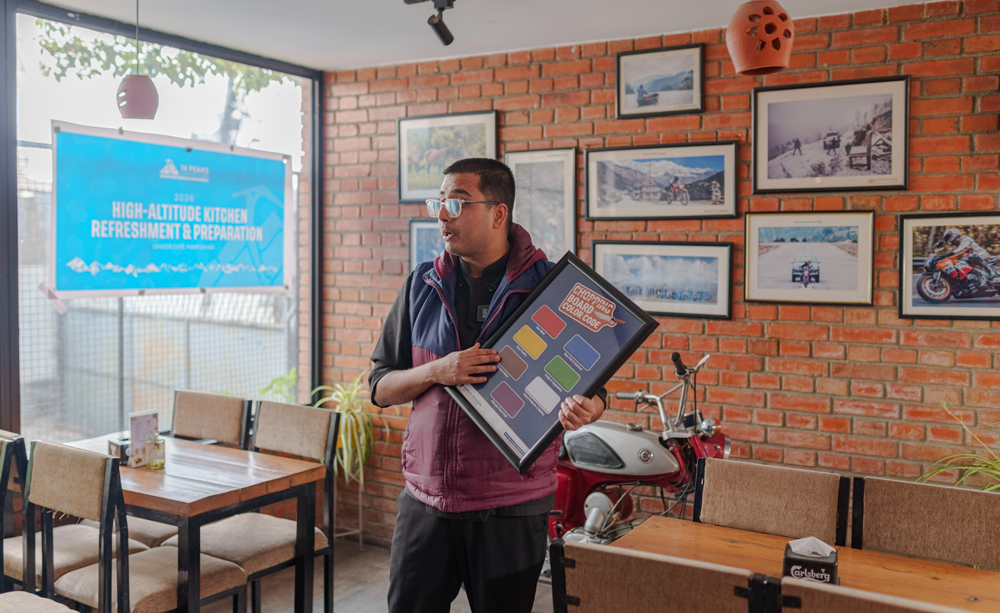
To strengthen these essential capabilities, 14 Peaks Expedition organized a two-day High Altitude Kitchen Training in collaboration with Genesis Cafe, Panipokhari, led by renowned culinary trainer Chef Manish Nepal.
The workshop brought together 10 experienced high altitude cooks, providing intensive practical training focused on expedition food preparation, kitchen safety, hygiene, menu planning, and international cuisine.
Organizer
14 Peaks Expedition, 14 Peaks Mountaineering Institute
Training Partner
Genesis Cafe, Panipokhari
Duration
2 Days
Lead Trainer
Chef Manish Nepal
Participants
10 High Altitude Expedition Cooks
Training Format
Hands-on Practical Workshop
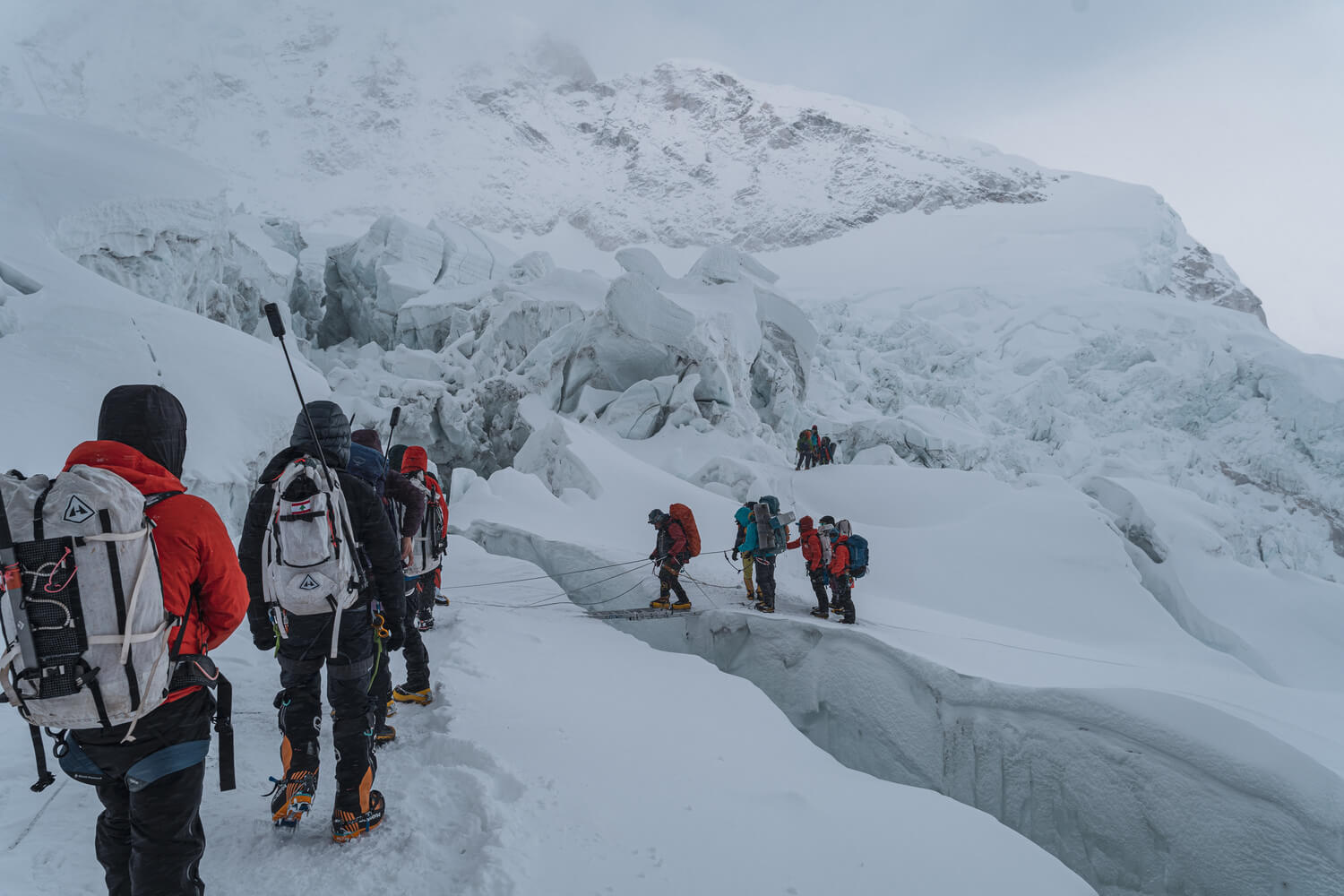
On major expeditions such as Everest, Manaslu, Ama Dablam, Island Peak, Lobuche East, and Mera Peak, food becomes more than nourishment-it becomes a critical part of safety and performance.
At altitude, climbers burn significantly more calories while often experiencing reduced appetite. Properly prepared meals help maintain strength, aid recovery, support acclimatization, and improve morale during long expeditions.
Likewise, poor food handling can lead to illness that may jeopardize an entire expedition.
For this reason, professional kitchen training is a vital component of modern expedition logistics.
Every safe meal served in the mountains is another step toward a successful summit.
The program combined classroom discussions with practical kitchen sessions, allowing participants to apply professional standards in real cooking environments.
The first module focused on maintaining the highest standards of personal cleanliness before and during food preparation.
Participants practiced:
- Proper hand washing techniques
- Correct use of disposable gloves
- Wearing kitchen hats and aprons
- Safe food handling practices
- Maintaining personal hygiene during long expedition days
These practices significantly reduce the risk of contamination in remote mountain kitchens.
Creating a hygienic kitchen is essential-even more so in remote camps where medical assistance may be days away.
Participants received practical instruction on:
- Safe knife handling
- Proper use of chopping boards
- Cross-contamination prevention
- Raw and cooked food separation
- Cleaning and sanitizing workstations
- Safe food storage techniques
- Kitchen workflow and organization
The objective was to build habits that ensure every meal prepared in the mountains meets professional hygiene standards.
Every expedition welcomes climbers from different countries, each bringing different tastes, dietary preferences, and cultural expectations.
To better serve international teams, participants learned to prepare dishes inspired by:
- Chinese Cuisine
- Russian Cuisine
- European Cuisine
- Indian Cuisine
The training emphasized balanced nutrition, presentation, flavour, and efficient preparation using limited expedition resources.
Professional kitchens rely on more than good recipes-they depend on proper equipment management.
Participants learned how to safely use, organize, maintain, and transport essential expedition kitchen gear, ensuring efficient operations at base camps and higher mountain camps.
Topics included:
- Kitchen tools
- Cooking equipment
- Food preparation stations
- Equipment maintenance
- Safe storage and transportation
Designing an expedition menu requires careful planning.
Meals must provide sufficient calories while remaining easy to digest, practical to prepare, and enjoyable over several weeks in the mountains.
Participants explored:
- Nutritional meal planning
- Balanced expedition menus
- Ingredient selection
- Portion planning
- Multi-day menu scheduling
- Adapting menus to client preferences
The workshop concluded with practical cooking sessions where participants prepared complete meals before presenting them for evaluation.
Chef Manish Nepal provided professional feedback on:
- Taste
- Presentation
- Hygiene
- Cooking techniques
- Teamwork
- Kitchen efficiency
The tasting session encouraged continuous learning while introducing participants to new culinary ideas suitable for international expedition teams.
The role of an expedition cook extends far beyond preparing meals.
They are responsible for maintaining hygiene, managing supplies, minimizing food waste, accommodating dietary requirements, supporting team morale, and ensuring climbers receive the nutrition needed to perform in extreme environments.
A warm meal after a demanding day on the mountain often becomes one of the most memorable moments of an expedition.
By investing in professional kitchen training, 14 Peaks Expedition continues to improve every aspect of the climbing experience-from logistics and hospitality to safety and operational excellence.
Training is one of the pillars of our organization.
Whether guiding climbers, managing logistics, operating rescue support, or preparing meals, every member of an expedition team contributes to its success.
Through partnerships such as our collaboration with Genesis Cafe, Panipokhari, we aim to equip Nepal's mountain professionals with practical, internationally recognized skills that elevate the standard of Himalayan expeditions.
As the expectations of climbers continue to evolve, so too must the knowledge and professionalism of the teams supporting them.
Low oxygen, colder temperatures, limited fuel, and restricted access to fresh ingredients make cooking in the mountains significantly more challenging than at lower elevations.
Proper hygiene helps prevent foodborne illnesses that can affect climbers in remote locations where medical care is limited.
International expeditions often include climbers from around the world. Knowledge of Asian, European, Indian, and other international cuisines helps provide familiar, nutritious meals throughout the expedition.
The High Altitude Kitchen Training was organized by 14 Peaks Expedition in collaboration with Genesis Cafe, Panipokhari, and delivered by Chef Manish Nepal.
At 14 Peaks Expedition, our mission extends beyond leading successful climbs. We are committed to strengthening every part of the expedition ecosystem by investing in the people who make Himalayan adventures possible.
From guides and logistics teams to cooks and support staff, continuous training helps us deliver safer, more professional, and more enjoyable experiences for climbers from around the world.
Because every great expedition begins with a great team-and every great team deserves the best preparation.